60+ AI Art Styles to Transform Your Prompts into Masterpieces
Have you ever been playing in front of an AI prompt box, typed in something such as "a cat in a forest," and felt... unsatisfied? The image pops up, and it's fine. It's a cat. It's a forest. But it lacks soul. It does not carry the wow factor, which would cause people to scroll. The topic itself is not the trick, but also the style.
Imagine AI as an actor in the world. When you tell it to say the lines, it is a dry rehearsal. However, when you instruct it to say the lines of a noir detective of the 1940s, the acting changes. The styles in the generative art world act as your directorial indications.
We are today rising to a new level. You are going down an immensely large list of styles of art, over 60 AI-created styles, into the dusty halls of the Renaissance to the street of neon-combustion of 2026. This will make you transform generic pixels into gallery pieces. What Is an Art Style of Artificial Intelligence?
- What Exactly Is An "AI Art Style"?
- How AI Art Styles Work Inside Image Generators
- How to Use AI Art Styles Effectively in Prompts
- The Classics: Traditional Art Movements
- Cinematic & Photographic Mastery
- Digital Frontiers & Sci-Fi Aesthetics
- Illustration, Anime & Papercraft
- How X-Design Helps You Master These Styles Instantly
- FAQs
- Your Imagination, Unlocked
What Exactly Is An "AI Art Style"?
Now that we have the bucket of paint, we should speak about what really goes on behind the screen. Incorporating a style keyword into a system such as Midjourney, Stable Diffusion, or X-Design is not a filter.
The neural network is being trained to give preference to particular patterns of light, geometry, and texture. An impressionist prompt instructs the AI on how to disregard sharp lines and concentrate on the way light falls on an object. One of its clues is a "Cyberpunk" prompt suggesting that it should seek high-contrast shadows and artificially colored palettes.
Why Waste Time on the Particular Styles?
Emotional Resonance: The sketch made in charcoal is intimate; the one made on the 3D render is commercial.
Brand Consistency: When you apply AI to business, it is easy to think that one aesthetic (such as Minimalist Vector) will make your business appear professional.
Creative Breakthroughs: The various forms of mixing styles (e.g., Ukiyo-e Cyberpunk) produce images that have never been physically observed before.
How AI Art Styles Work Inside Image Generators
Image generators based on AI have been trained on millions of unlabeled and labeled images. The system acquires knowledge of words and visual elements during the training process, which includes brushstrokes, lighting, depth, color palettes, and compositional techniques.
In case you add a style to your prompt, the model modifies its probability selection. It follows the visual aspects that are usually associated with the style. This is why only one properly selected style can transform the final picture.
Style Conditioning Explained Simply
Style conditioning implies the training of the AI to follow a particular visual direction by providing descriptive cues. Certain styles are suitable for certain subjects. As an example, photorealistic styles are the best with products and portraits, whereas abstract or generative forms are more effective with conceptual images.
How to Use AI Art Styles Effectively in Prompts
In order to achieve more, organize your prompts as follows:
Subject (what you want to create)
Style (how it should look)
Mood or atmosphere
Details or constraints
The style should be placed near the subject to make the AI know what is important.
Single-Style vs. Multi-Style Prompting
Single styles are effective in clean and predictable outcomes. Multi-style prompts are effective in experimentation, but must not have more than two or three styles that are compatible.
Confusion: The unrelated aesthetics should not be mixed, as this confuses the model, and this is of low quality.
The Classics: Traditional Art Movements
You need to respect the past to conquer the future. The AI has already absorbed the whole history of art; the following is the way to summon the masters.
The Old Masters
Renaissance
Baroque
Rococo
Tenebrism
Neoclassicism
The Rebels
Impressionism
Post-Impressionism
Fauvism
Pointillism
Expressionism
Modern Classics
Surrealism
Cubism
Art Deco
Pop Art
Abstract Expressionism
Cinematic & Photographic Mastery
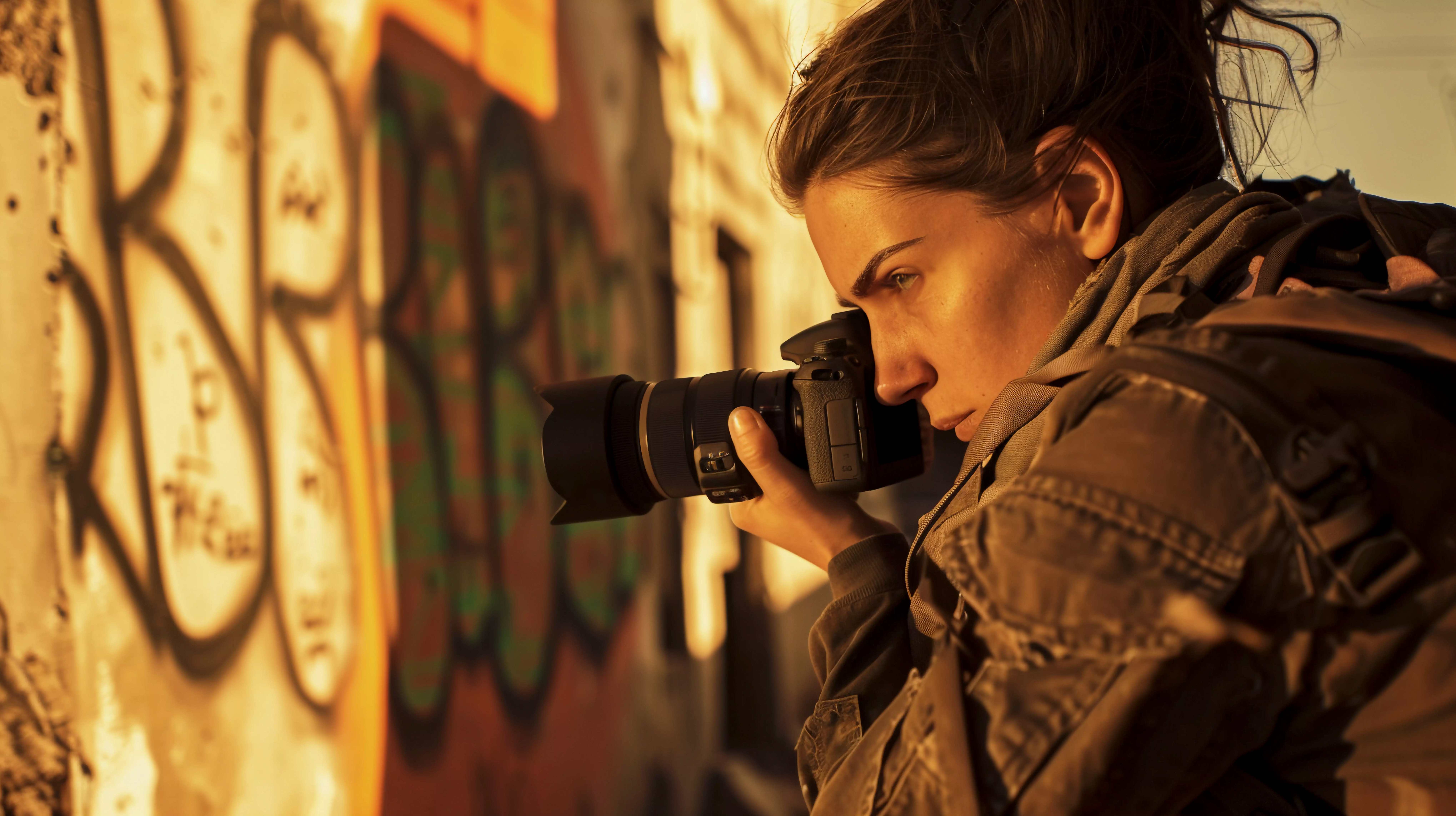
When you wish your AI art to look like a big-budget movie or like a professional photographing session, these are your keywords for money.
The Director's Lens
Neo-Noir
Technicolor
Anamorphic Lens Flare
IMAX Scale
Wes Anderson Style
The Photographer’s Toolkit
Golden Hour
Kodachrome
Macro Photography
Double Exposure
Cyanotype
Bokeh
Street Photography
Daguerreotype
Infrared Photography
Tilt-Shift
Digital Frontiers & Sci-Fi Aesthetics
This is where AI thrives. These styles are ideal to use in games, technology blogs, and concept art.
The "-Punk" Universe
Cyberpunk: Neon, rain, and high-tech grit.
Steampunk: Power and gears are steam, and the garments are of the Victorian era.
Solarpunk: Lush vegetation, sun-soaked urban centers, and white buildings.
Dieselpunk: The hard, heavy metal style of the 40s.
Biodark: Biotechnology and luminous bio-textures.
Modern Digital Trends
Vaporwave: Pink and blue color palette, 90s retro, and glitch art.
Synthwave: retro-futurism and wireframe suns of the 80s.
Low Poly: 3D art that is stylized, and the triangular edges can be seen.
Glitch Art: Intentionally deformed computer-related malfunctions.
Isometric 3D: Vanishing point-free SimCity-like views.
Rendering & Engines
Unreal Engine 5: Hyper-real lighting and shadows.
Octane Render: Look for a professional 3D studio.
8-Bit Pixel Art: To invoke Nintendo nostalgia.
16-Bit SNES Style: Bigger, richer pixel art.
Voxel Art: 3D block-based art (including Minecraft).
Ray Traced: Is preoccupied with bounces and reflections of light.
Holographic: Smoky, transparent, and advanced.
Fractal Art: Infinity, mathematical designs.
ASCII Art: The images that consist of whole text characters.
Flat Vector: Web design: Clean, modern, and business-like.
Illustration, Anime & Papercraft
The most popular styles of social media avatars, children's books, and brand mascots are these styles.
Global Animation
Studio Ghibli: Creepy, freehand, and lighthearted (Spirited Away taste).
90s Retro Anime: Rough, high contrast, and nostalgic.
Disney 1950s: The traditional, soft, hand-drawn appearance.
Pixar Style: Shiners' 3D expressive characters.
Spider-Verse Style: A combination of comic-book skin, graffiti, and 3D.
Tactile & Hand-Drawn
Charcoal Drawing: Smeary, sultry, and close.
Water Paint Wash: Hemorrhaging hues and gentle lines.
Stained Glass: Thick and dark black lines and luminous color.
Papercut: This is a shadow that appears to be made of real paper.
Risograph: Coarse, gritty ink impressions and a text of colors that are misprinted.
Scratchboard: The white lines on the black one.
Linocut: Male, blocky, and high-textured prints.
Crayon Drawing: Childish and crude.
Oil Pastel: The oil crayons are rich and vivid compared to the oil crayons.
Description: So white technical lines on blue.
Gothic stained glass: Darker, more religious, and more elaborate.
Sand Art: Photographs made up of shifting and changing textures.
How X-Design Helps You Master These Styles Instantly
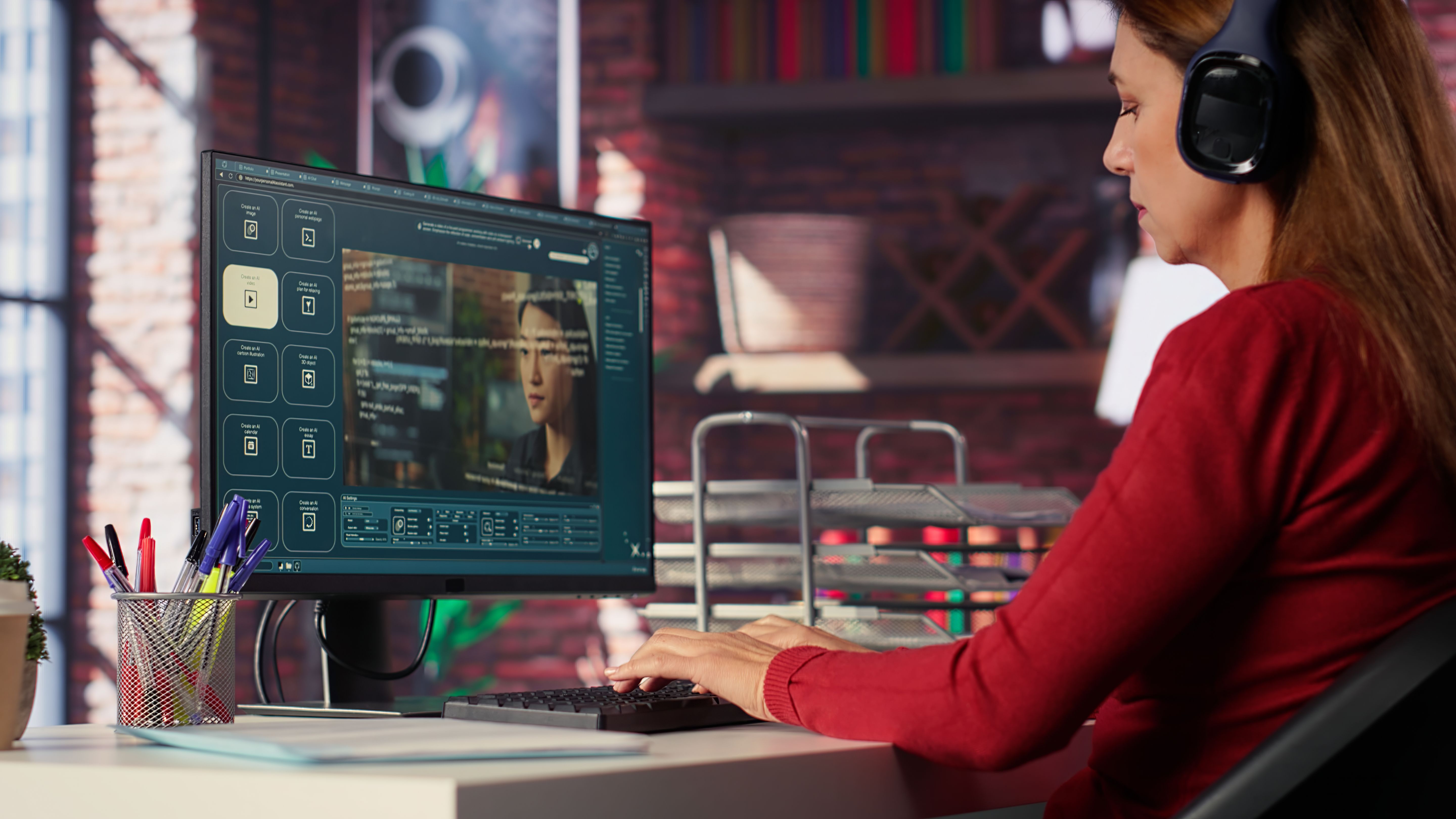
Honesty being told, it is not easy to memorize 60 or more styles. That's where X-Design comes in.
X-Design has an inbuilt style intelligence engine as opposed to making guesses on what keywords will work. You do not have to be a "prompt engineer" to have a Cyberpunk or Studio Ghibli landscape as a logo. All you do is pick an aesthetic you like on a visual menu, and the AI does the rest, which is the behind-the-scenes writing to make the lighting and textures flawless.
It transforms the inquisition of trial and error of prompting into a single-click masterpiece.
Pro Tips for Better AI Art
Style Weighting: In case your style is not appearing enough, put it in parentheses. (Cyberpunk: 1.5) orders the AI to turn up the neon.
Negative Prompts: You are too clean in your "Oil Painting." Use negative prompts by adding photorealistic, plastic, and digital to your negative prompts to continue to make it appear as oil paint.
The Hybrid Trick: You should attempt to combine two extremes. A cyberpunk metropolis after a 17th-century oil painting. When the AI tries to solve that conflict, the initial results of the process usually produce the most peculiar art you have ever encountered.
FAQs
Q: Is it possible to use such styles in the business logo?
A: Absolutely! But we suggest logos in Flat Vector or Minimalist style because they are simple to resize and print.
Q: What is the best AI model when it comes to such styles?
A: Midjourney is better with the artistic and cinematic styles, whereas Stable Diffusion (and the engine of X-Design) has a greater range of control over specific textures such as "Papercut" or "Isometric."
Q: Does the use of AI style amount to cheating?
A: The use of tools has always been the basis of art, starting with the earliest stick of charcoal and the digital stylus. AI is simply a new brush. The art lies in your eyes and what you do with these styles and how you blend them together to narrate a story.
Your Imagination, Unlocked
Our 60+ styles today are not labels, but these keys to various rooms of your imagination. You could now make a photograph seem as though it were produced in 1850 or in a city that was produced in 2099. Remember: the most appropriate one is the style that can fit your vision. We have nothing to dread of experimentation, of breaking rules, and of mixing what is not to be mixed.
Willing to have these styles in practice? Reading about it is not enough; make it. Try X-Design today free of charge and transform a simple prompt next time into a professional masterpiece within seconds. The canvas is waiting!