
The Difference Between Motion Graphics and Animation: A Detailed Analysis
The online platform has become a significant part of almost all industries today. To stand out, a brand or website needs content that is not only informative but visually compelling. Video content can be the best means of attracting the attention of the audience.
A creative AI agent can be used to generate AI Poster Generator and logos for a brand. These static elements often serve as the foundation for video content, where movement and transitions are added to create more engaging visuals.
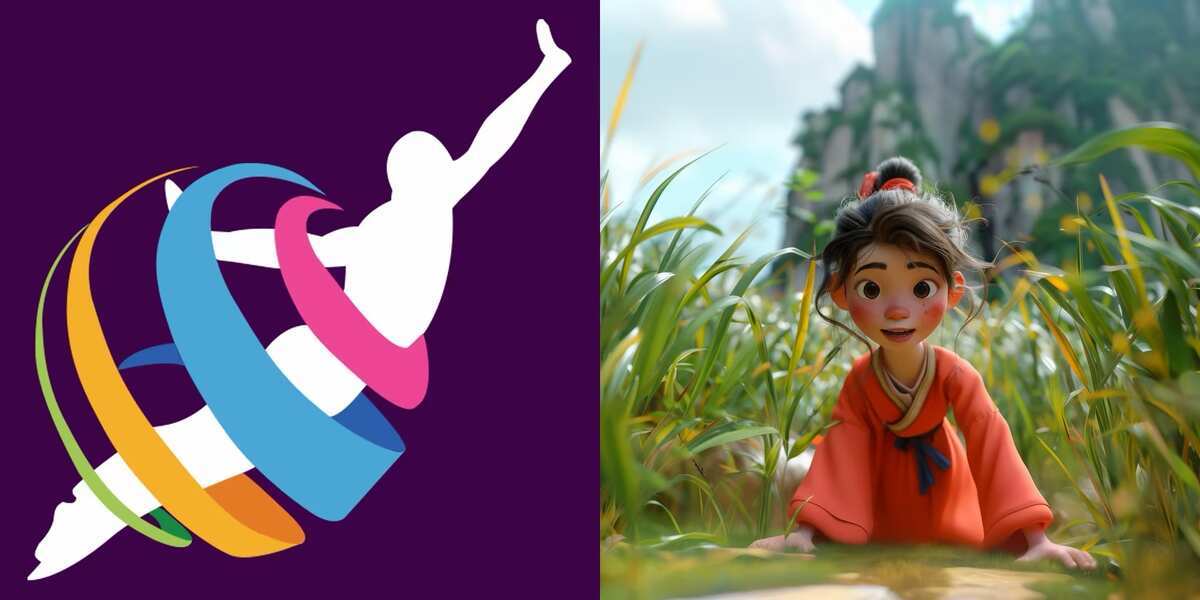
Once the movement is added, the video is termed as animation. Then, what is motion graphics? How is it different from animation? Let's discuss.
Table Of Content
- What are Motion Graphics?
- Characteristics
- What is Animation?
- Characteristics
- Motion Graphics vs. Animation: Key Differences
- When to Use Motion Graphics?
- When to Use Animation?
- Can Motion Graphics be Combined with Animation?
- Conclusion
- FAQs
What are Motion Graphics?
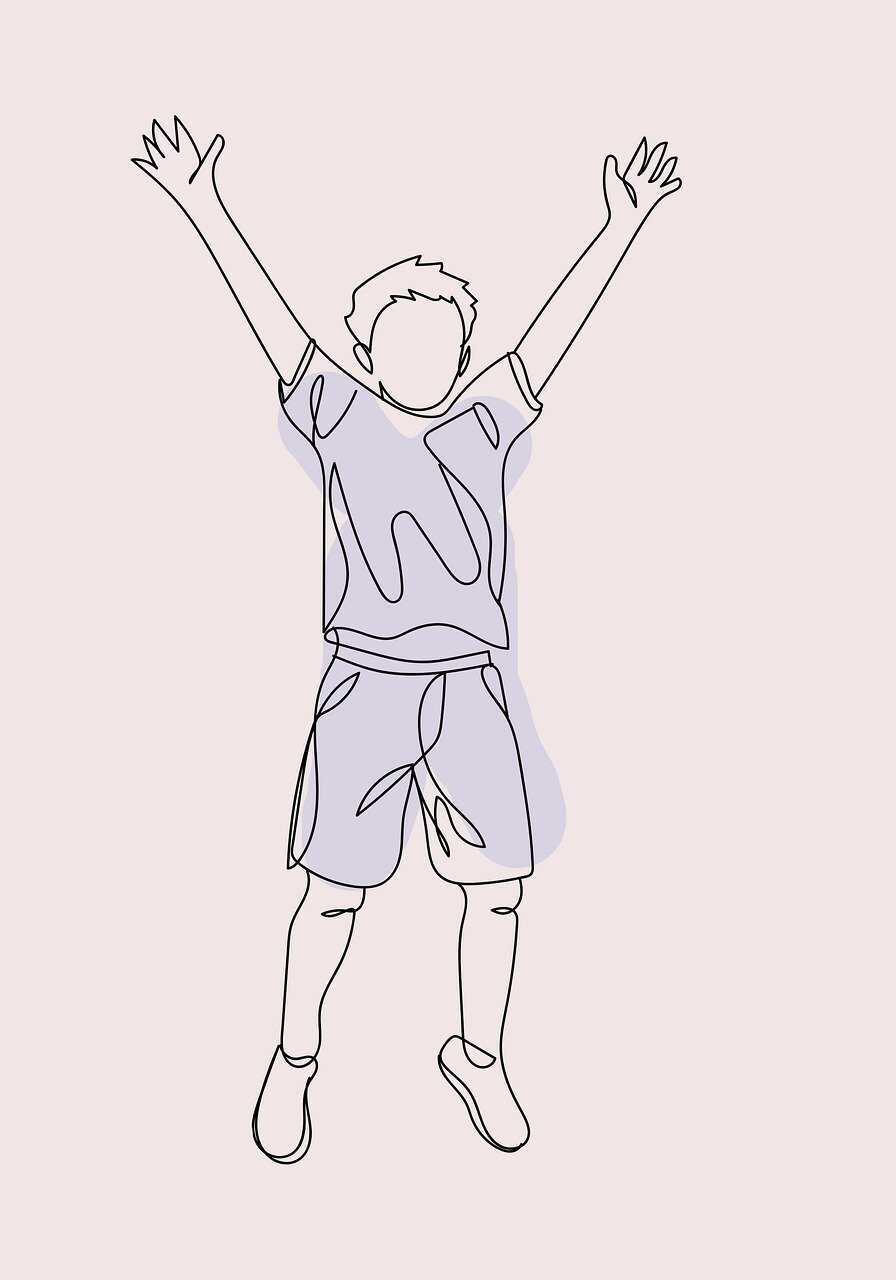
To put it simply, motion graphics refers to graphic elements that are animated to create movement. These elements include graphs, charts, shapes, and words. For instance, the GIFs on our chatting apps are a form of motion graphics.
In addition, the moving graphs for data presentation in the corporate field also fall under this category. The Google Doodles that appear on special holidays are also an example of motion graphics.
Characteristics
Motion Graphics:
Rely on elements such as texts, shapes, symbols, and form to convey an idea.
Are concept-driven and used to transform complex concepts into simple ideas.
Is a two-dimensional design that does not have any depth.
What is Animation?
Animation is a broader term that is used for any technique that involves turning static illustrations into moving visuals. Motion graphics is a sub-category that falls under the umbrella of animation.
Rather than just some elements, animations give life to characters, objects, and beautiful sceneries. An animation can be created through different techniques including, hand-drawn animation, computer-generated imagery, and 3D animation.
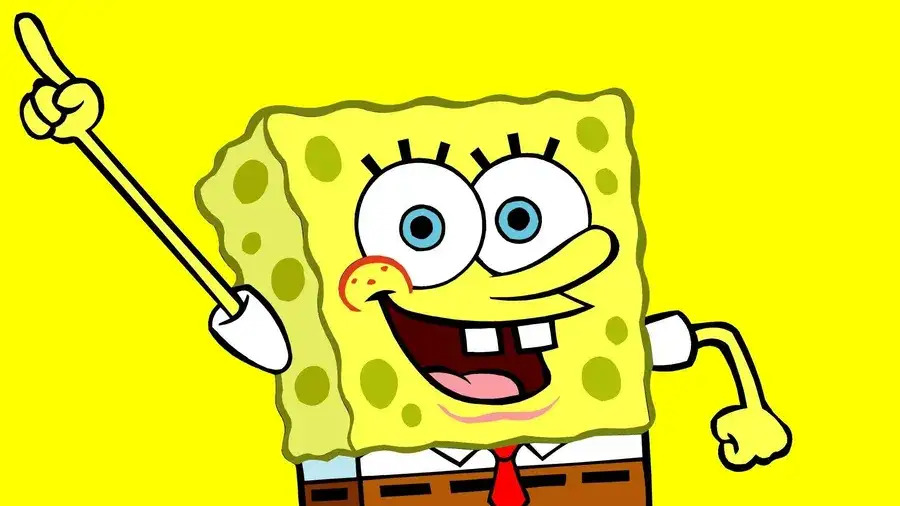
Attack on Titan, Spy X Family, SpongeBob Squarepants, and even The Simpsons are examples of animation.
Characteristics
An animation is focused on storytelling rather than just displaying the movement of abstract objects.
It features characters and an environment that allows the creator to convey their ideas in an engaging way.
Can be both two dimensional and three dimensional depending upon the purpose of creation.
Motion Graphics vs. Animation: Key Differences
Motion graphics and animation have been mistaken to be the same term due to the similarity in the process of creating them. They share the same principle of animation such as keyframing, timing, and transitions.
Moreover, they both demand the artist to be talented in storyboarding, composing, designing and editing. Then, how to differentiate between motion graphics and animation. Let’s discuss this in detail.
Visual Expression
Motion graphics use clean aesthetics to turn abstract elements into animated visuals. They are used to turn confusing concepts into straightforward and easy ideas. They bring statistical data to life. This technique is used to connect with the viewers on a cognitive level.
Conversely, animation makes characters come to life. It enables the artist to have an emotional relation with the listeners. It transforms ordinary tales into imaginative tales to appeal to the viewers.
Simplicity
Motion graphics is a process that deals with simple movements and minimalistic designs. It does not include exaggerated details, but instead focuses on presenting concepts clearly. It helps the audience interpret and easily learn complex ideas.
Animation is a more complicated technique. Artists very acutely add finer details in every frame. It is done to make an animation more dramatic to attract the attention of viewers.
Budget
Creating animations takes more effort due to the long making process. It focuses on cinematic effects and highlights intricate details. All of this requires expensive editing software. As a result, animations require a high budget for their production.
In contrast, motion graphics are cheaper to make. Due to the simple production workflow, it requires fewer resources. They focus on graphic elements rather than detailed characters, reducing the overall costs.
Time and Duration
From storyboarding to modeling, texturing, and rendering, the creation process of an animation can take a lot of time. It is usually a long video consisting of a few minutes to hours. Each frame has a high level of detail. All these factors contribute to the longer time required to produce animation.
Motion graphics consist of only a few seconds. The creation process is also simple and easy. So, it takes less time for the whole process as compared to animation.
Target Audience
Motion graphics suit best the viewers who want information-based content. It is preferred by businessmen, corporate clients, and marketers because it assists in the presentation of ideas to them in an efficient manner.
Animation, in contrast, targets audiences looking for engaging stories. It is for audiences such as entertainment viewers, gamers, and educators.
Main Goals
Motion graphics and animation also differ in their goals. The main purpose of motion graphics is to simplify static visuals to convey information.
Animation primarily focuses on emotional storytelling. Depending upon the animation technique, the goal can vary. From entertainment to education, each technique aims to create memorable experiences to hold the viewer's attention till the end.
Comparison Table
Feature | Motion Graphics | Animation |
Purpose | To communicate information clearly using animated graphic elements | To tell stories, convey emotions, and engage audiences through character-driven visuals. |
Complexity | Simple | Complex |
Dimension | 2 Dimensional | Can be 2-dimensional or 3-dimensional |
Elements | Texts, shapes, abstract forms, icons, and infographics | Characters, environments, objects |
Content Type | Text-based, graphic-driven visuals | Character-driven, narrative-based visuals |
Visual Style | Clean and minimalistic | Detailed, expressive, and immersive |
Role | Accessory role to guide viewers | Main role is to educate and entertain |
When to Use Motion Graphics?
Motion graphics are best when you need to communicate professionally. They work exceptionally well for brand promotion campaigns where modern aesthetics matter more than narrative depth.
In the case of product demos and social media advertisement posters, motion graphics can be used to keep the attention interesting. They are also applicable in augmenting data-driven pieces like infographics, performance records and statistics.
When to Use Animation?
Animation is a better choice when the primary goal is to build an emotional connection with the audience. It can be used in brand storytelling where different characters can be used to build an identity over time.
A 2D animation is a great choice for social media ads, e-commerce, and tutorial videos. On the other hand, a 3D animation can be used for ultra-realistic projects. These include gaming or short films, etc.
Can Motion Graphics be Combined with Animation?
Modern brands frequently combine motion graphics with animation to achieve better results. Motion graphics can help brands introduce products and their key benefits. These can be used as an accessory to enhance the visuals of a product.
To build a unique identity, animated characters can be introduced. Through storytelling, these characters enable the brands to resonate with the audiences at the emotional level. By doing so, whenever the character is presented the audience will be reminded of the related brand.
The combination of two styles provides clarity and creativity in the brands. It helps brands produce content that is informative and emotionally stimulating. The hybrid method is flexible and is therefore suited to the new marketing environment which requires speed and story-telling to co-exist.
Conclusion
Motion graphics concentrate on organized visuals such as text, icons, and shapes. The technique is optimized for speed, efficiency, and clarity. Animations, on the other hand, concentrate on storytelling, characters, and emotional engagement, which require more complex production. Motion graphics are more efficient for marketing campaigns that require scalability. Animations are more efficient for engaging an audience for an extended period.
Thanks to AI animation generators, creating animations has become a less complex process than it was in the past. This shift has reduced many of the traditional barriers related to production time and technical difficulty.
As a result, motion graphics and animation can now be combined more strategically, to deliver clear messaging while also benefiting from engaging, story-driven visuals.
FAQs
1. Is Motion Graphics the Same as Animation?
Motion graphics are not the same as animation. Rather, it is a subtype of animation. Similar to animation, movement is created in static elements. However, instead of characters, these elements are shapes, graphs, texts, logos, or even some abstract forms.
2. Is Animation Better than Motion Graphics for Marketing?
Both motion graphics and animation can be used in marketing depending on the objective of the brand. The use of motion graphics is effective in presenting the features of a product.
Animation is more appropriate in order to describe why the product is worth considering. With a blend of both methods, brands will be able to attract attention more quickly.
3. Is Pursuing Motion Graphics Better than Animation as a Career?
It depends upon your goals. Motion graphics is a diverse field that can help you get freelance gigs and commercial work. If you are interested in filmography, then animation is the better choice.
If you are talented at creating stories, then go for animation. If you are good at explaining ideas, then motion graphics is the better choice.