The Complete Wordmark Logo Design Guide
This article will explain all the knowledge you can have regarding wordmark logos, including the design principles and tools, real-life examples, frequent errors, and the trends of 2025-2026.


A wordmark logo, or logotype, is a logo built entirely from a brand’s name using stylized typography. In contrast to icon-based logos, wordmarks are based on the use of letterforms, interspacing, colour, and minor design details to establish a unique brand identity.
Wordmark logos are very effective since the name of the brand is at the center of the logo and thus more memorable to the audience. The best examples are Google, Coca-Cola, Amazon, and Netflix, which demonstrate that a global presence can be established solely with the help of positive typography.
This article will explain all the knowledge you can have regarding wordmark logos, including the design principles and tools, real-life examples, frequent errors, and the trends of 2025-2026.
What Is a Wordmark Logo?
A wordmark logo is a typography-based design where the brand name itself becomes the logo. A wordmark expresses the brand in a simple way compared to symbol or combination logos, and fonts and colors are carefully chosen.
Wordmark is more appropriate for brands that prefer paying more attention to the name and less to the image. They appear in print, digital, and physical media and are still readable and recognizable.
Examples of popular wordmark logos include Google, Coca-Cola, Amazon, Netflix, Visa and Samsung. These are a few examples that lead to the equality of typography, color, and spacing to make a spectacular visual identity.
Benefits of Using Wordmark Logos
Clarity is one of the key benefits of wordmark logos. These logos do not create unnecessary visual clutter as they only use the brand name. This is because they are simple to remember.
Word marks are also versatile. They can write on websites, social media accounts, mobile applications, packaging, and merchandise without losing focus. Scalability is another advantage; the letters will be readable on a small favicon or on a big billboard.
Also, wordmarks serve to express professionalism and classicism. A carefully created wordmark may stay in use for decades. Such advantages make wordmarks especially attractive to both startups and established brands.
Key Elements of Wordmark Logo Design
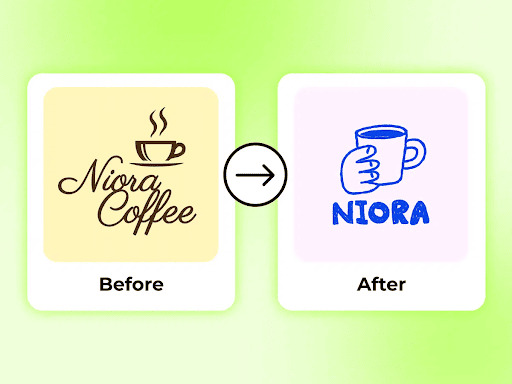
Image Source: x-design
Typography
The most important aspect of a wordmark is typography. The font has a personality and tone. Serif fonts imply tradition, luxury, or authority, and the fonts based on the sans-serif imply modernity and minimalism. Elegance or creativity can be achieved with script fonts, and custom fonts present the most unique identity to a brand.
When choosing a font, consider:
Weight and thickness of the letters
Letterform curves and angles
Visual balance and harmony
Consistency across all letters
Custom adjustments to the letters, such as connecting strokes, creating ligatures, or adding subtle flourishes, can turn a simple font into a distinctive logotype.
Color
Color helps to increase recognition and conveys emotion. Blue is associated with trust and reliability, red is associated with energy and excitement, black is associated with luxury and authority, and green is associated with growth and health.
You should have several variations of your logo in full color, black, white and grayscale. This has the benefit of making sure your wordmark looks excellent on any background and on all platforms.
Spacing and Alignment
Spacing is necessary in terms of readability and professionalism. Visual balance is realized by making changes in the kerning (space between the letters), tracking (space between the letters), and aligning the baseline. Small adjustments of spacing would make a logo refined and balanced.
Customization for Uniqueness
Customizations are subtle and make a word mark memorable. You are able to adjust the shapes of letters, lengthen or unite lines, or add narrow symbolic bits. These additions will make your wordmark look unique in comparison with that of competitors without making the design complex.
Trick: Even such small points as an original curve or ligature can create a strong brand image in such a saturated market.
Step-by-Step Guide to Designing a Wordmark Logo
1. Define Brand Identity
Start by explaining the mission of your brand, your target audience, your tone and your message. This knowledge will influence every design choice, font choice, and color choice.
2. Choose the Right Font
Use fonts that match your brand personality and experiment with them to identify the right one that suits.
3. Experiment With Colors
Experiment with color combinations and make sure that the logo is worthy in black and white as well as grayscale.
4. Customize Typography
Adjust letterforms, connect letters, or add subtle flourishes to create a unique logotype.
5. Refine Spacing and Alignment
Kerning, tracking, and baseline alignment are crucial for readability and aesthetic balance.
6. Test Scalability
Experiment with color combinations and make sure that the logo is worthy in black and white as well as grayscale.
7. Export in Multiple Formats
Create your logo in SVG, PNG, EPS, PDF, and WebP to cover all usable purposes.
Tools and Resources for Creating Wordmark Logos
Platforms such as Canva, Looka, Shopify Logo Maker, and Logo.com allow beginners to experiment in a short time. Adobe Illustrator, Figma, or Affinity Designer is used by professional designers who need accuracy and control.
AI-based applications, such as X-Design’s AI logo generator, can create professional wordmarks in an effective manner. Typography, spacing and color variation can be determined with preservation of design quality, thus it is usable by beginners and professionals.
Always make sure that fonts are licensed. Free fonts may not be safe when it comes to commercial purposes, and therefore, Google Fonts or commercially licensed fonts are recommended to prevent any legal interference.
Examples and Case Studies

Google: Clean sans-serif fonts and playful colors demonstrate that simplicity and readability can build global recognition.
Coca-Cola: A custom script with flowing curves shows how unique letterforms create a timeless identity.
Amazon: A subtle arrow integrated into text highlights how minimal symbolic detail enhances meaning.
Netflix: Bold typography and vibrant red color create instant recognition and strong brand recall.
These examples show how typography, color, and small custom details can make wordmarks memorable and effective.
Common Mistakes to Avoid
It is recommended that no overly trendy fonts should be used that would become outdated, and there should not be poor spacing of letters, too much graphical content, imbalanced colors and failure to consider scalability. A plain and simple design is easier to remember and more business-like.
Enhancing Your Wordmark Logo for Branding
Use the same wordmark everywhere: websites, social media, emails, packaging, and ads. Combine it with the secondary branding components, such as colors, patterns, or complementary icons to have a unified identity. When updating your wordmark, introduce changes gradually by adjusting the spacing or changing the colors, but do not alter the letterforms themselves to ensure your brand remains recognizable.
Conclusion
A carefully crafted wordmark logo helps deliver your brand message in an effective manner, creates familiarity, and remains professional on every platform. Attention to typography, space, color, and minor customization will produce a logotype that will be able to endure the test of time. The creation and refinement process can be made quicker and more efficient with the help of tools such as X-Design, and you can create a memorable and unique brand image.
Related articles

How to Design a Good Advertising Poster

Human vs. AI in Design: Who Really Creates Better Art?

The Difference Between Motion Graphics and Animation: A Detailed Analysis